
Understanding and Preventing Typhoid & Malaria

Typhoid and malaria remain common infectious diseases in tropical regions but are largely preventable.
Prevention and health tips:

  • Drink only clean, boiled, or bottled water to avoid typhoid bacteria.

  • Wash fruits and vegetables thoroughly before eating.

  • Use mosquito nets and insect repellents to prevent malaria.

  • Take prescribed vaccines or prophylactic medications if recommended.

  • Strengthen your immune system with vitamin C, zinc, and herbal teas like neem or moringa.

Early detection and proper treatment are key to full recovery and long-term health.

Malaria: Causes and Transmission

Malaria is caused by parasites belonging to the Plasmodium species. The most common types affecting humans are Plasmodium falciparum and Plasmodium vivax.

These parasites are transmitted through the bite of infected female Anopheles mosquitoes. When the mosquito bites a person, it injects the malaria parasites into the bloodstream, where they travel to the liver, multiply, and then infect red blood cells.

Key Causes and Risk Factors:

  • Mosquito bites: The primary cause — especially in areas with stagnant water where mosquitoes breed.

  • Poor sanitation and stagnant water: Increases mosquito population and exposure.

  • Lack of mosquito control: Not using nets, repellents, or indoor spraying allows mosquitoes to thrive.

  • Weakened immunity: Children and pregnant women are more susceptible to malaria infection

  • Prevention Tips:

  • Sleep under insecticide-treated mosquito nets (ITNs).

  • Use mosquito repellents and wear long clothing, especially at night.

  • Eliminate stagnant water around homes.

  • Take antimalarial prophylaxis if you live in or travel to malaria-prone areas.
Fertility in Women and Men: Boosting Reproductive Health

Fertility challenges affect both men and women, but lifestyle and nutrition play major roles in supporting reproductive health.
Tips for improved fertility:

  • Maintain a healthy weight; being underweight or overweight affects hormones.

  • Eat nutrient-dense foods: folic acid, vitamin E, zinc, and selenium are key for fertility.

  • Avoid smoking, excess alcohol, and high caffeine intake.

  • Manage stress and get quality sleep—hormonal balance depends on it.

  • Stay active; physical movement supports blood circulation to reproductive organs.

Natural fertility supplements and herbal blends can also support hormone balance and reproductive function when used safely.

Managing and Preventing Diabetes

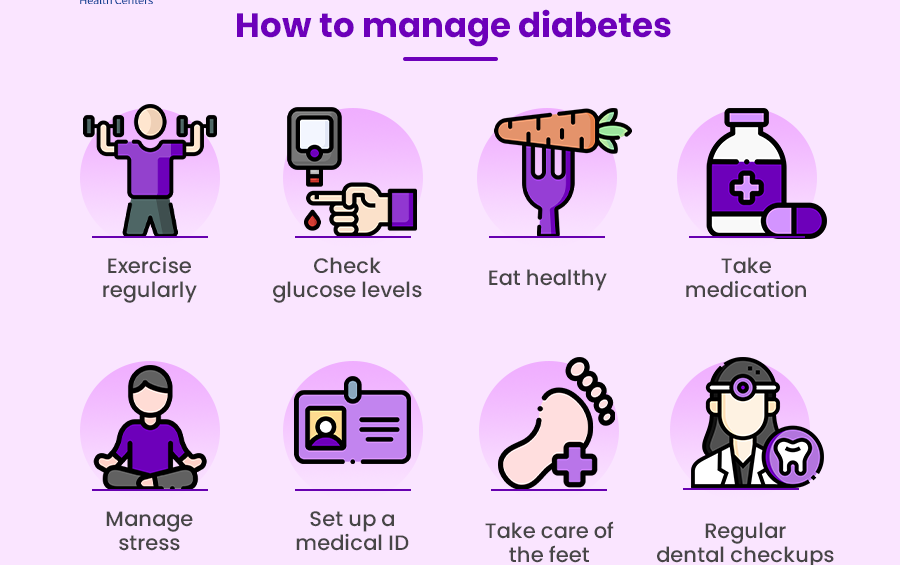
Diabetes is a lifestyle-related condition that can be managed—and even prevented—with the right approach.
Health tips for blood sugar control:

  • Reduce refined sugars and carbohydrates; focus on whole grains and fiber.

  • Eat balanced meals rich in protein, healthy fats, and vegetables.

  • Exercise at least 30 minutes daily to help regulate insulin sensitivity.

  • Monitor your blood sugar regularly if you’re at risk.

  • Include supplements like bitter melon, cinnamon, or fenugreek for natural blood sugar balance.

Small daily changes can make a huge difference in maintaining healthy blood sugar levels.

Increasing Sperm Count Naturally

Low sperm count affects fertility and confidence, but the good news is—it can often be improved with lifestyle changes.
Health tips for boosting sperm health:

  • Eat foods rich in zinc, vitamin C, and omega-3 fatty acids (fish, nuts, eggs).

  • Avoid excessive alcohol, smoking, and processed foods.

  • Exercise regularly but avoid overheating the groin area.

  • Manage stress; high cortisol levels can reduce testosterone.

  • Get enough sleep and stay hydrated to support healthy sperm production.

Natural supplements like ginseng, maca root, or zinc can also help improve sperm motility and count over time

Anti-Aging: How to Keep Your Body and Skin Youthful

Aging is natural, but premature aging can be slowed down through healthy habits. Your skin and body reflect what you eat, how you sleep, and how you manage stress.
Tips for youthful living:

  • Eat antioxidant-rich foods like berries, avocados, and leafy greens to fight cell damage.

  • Stay hydrated—water helps flush out toxins and maintain skin elasticity.

  • Use sunscreen daily to protect against UV rays that cause wrinkles and age spots.

  • Get enough rest; your body repairs itself while you sleep.

  • Consider natural anti-aging supplements like collagen, vitamin E, or ectoin-based products for skin repair.

Longevity isn’t about age—it’s about vitality and how well you take care of yourself every day.